Etrocom has run ViPo for two years without a critical failure, with WAYF on the modernisation rebuild.
Etrocom runs ViPo (Virtueller Portier), a virtual receptionist platform used across multiple organizations, sites, and device types, including a dedicated touchscreen kiosk experience. We have partnered with Etrocom since 2021, first rebuilding the platform from the ground up and then taking on long-term modernization, feature development, and supporting marketing work.
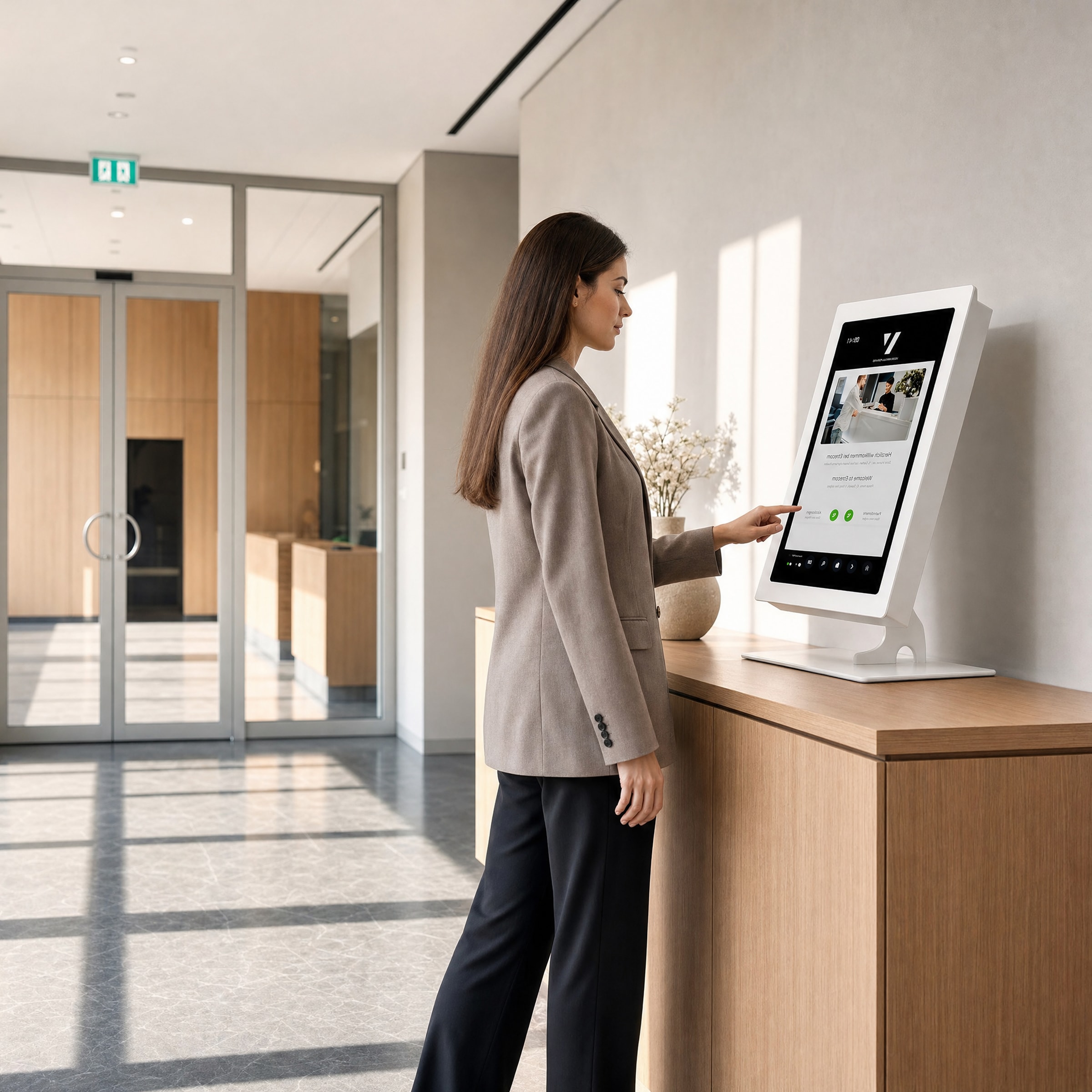
ViPo's core offering is a touchscreen kiosk that supports or supplements staffed reception: handling visitor registration, host notification, directory access, security training delivery, partial access control, and badge printing, available around the clock and deployable across multiple hardware form factors built for different building environments.

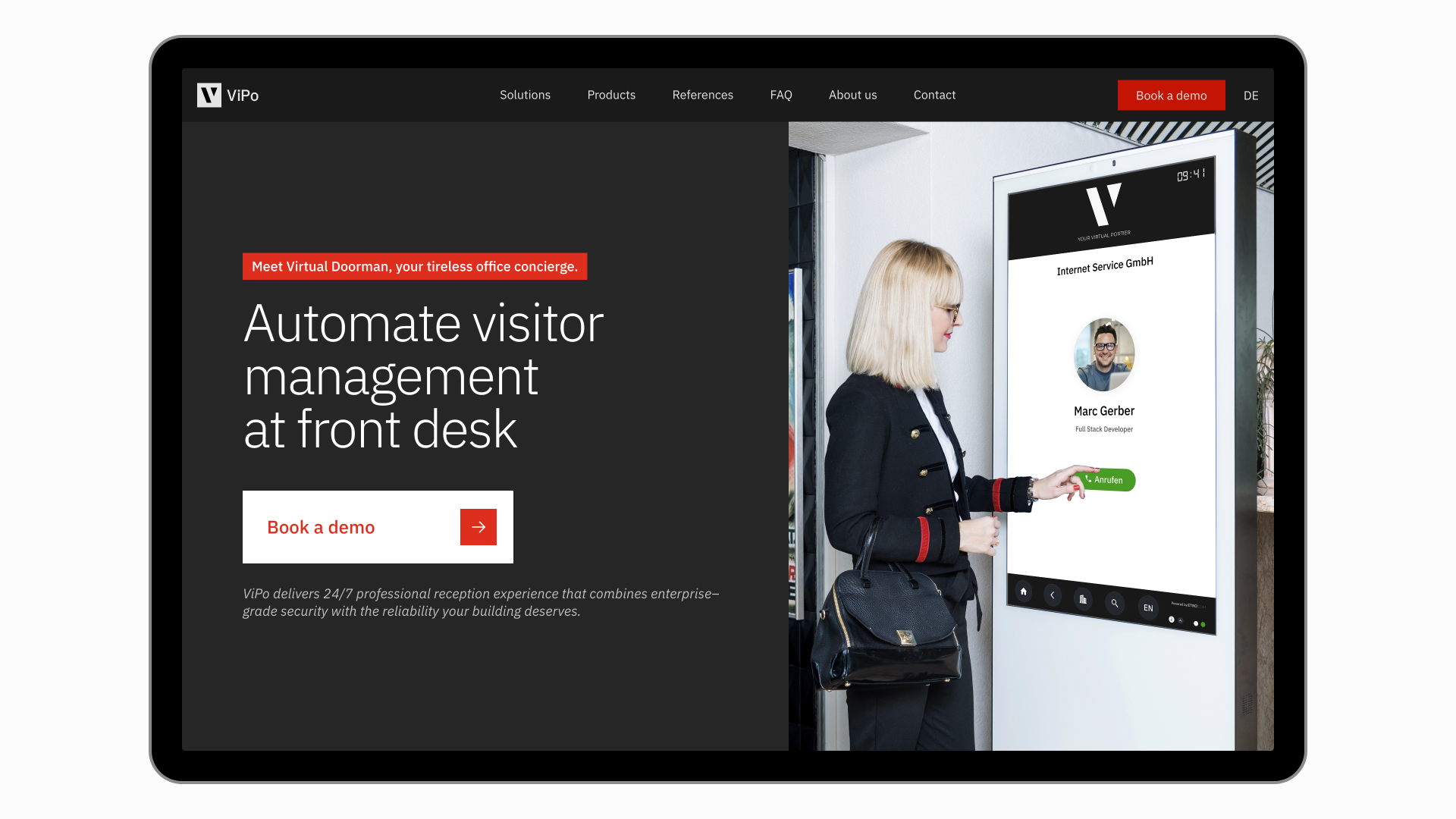
I'm very happy with our collaboration with WAYF. Since they rebuilt the ViPo platform, it has remained stable, support needs have stayed low, and our customers are happy with how it performs. New work is scoped clearly, which keeps budgets and timelines predictable. The team knows the product inside out, and the key people I started working with are still involved today.

Evolving a live platform without disrupting the front desks that depend on it every day.
ViPo addresses a concrete operational need: how an organization handles communication, guest registration, and building access at the front desk without a human receptionist at every location. Visitors can register, trigger host notifications, access building contact directories, complete mandatory GDPR or safety training as part of check-in, all without a human intermediary. For the smaller organizations that form a core part of ViPo's market, this means a professional-grade reception capability at a fraction of traditional staffing costs. That practical dependency is exactly what sharpened the reliability requirement. By the time we got involved with the project, ViPo was no longer a concept. It was live, with real users and real business processes built around it.
That status created a specific kind of constraint. There was no blank slate to design from. Any new feature had to be delivered without disrupting workflows that client organizations and their guests were already relying on. The platform also had to work across a wide range of conditions: different client organizations, different physical sites, different screen sizes, and devices that don't tolerate downtime gracefully. A receptionist app that occasionally fails isn't a minor bug; it is a break in the actual process of getting through a building's front door. Stability, predictability, and resilience to errors had to be treated as core requirements from the start, not features bolted on later.
Rebuild the foundation first, then modernize on an architecture that could grow safely.
Starting in 2021, we rebuilt the platform's foundation from a legacy platform: a new backend, a fully redesigned administrative panel, and later a native Windows application purpose-built for touchscreen kiosks, responsive across varying screen sizes.
As the platform matured and gained active users, we made a deliberate architectural choice for how to keep developing it: a modular monolith rather than a microservices approach. The system was split into modules aligned to clear domain areas, including guest registrations, registration settings, contacts, Microsoft integrations, door access, users, and companies. This kept the backend on a single, consistent deployment path while still organizing the code around distinct responsibilities. Microservices would have introduced operational complexity the product didn't need at this stage. ViPo needed a stable foundation that could support complex features, integrate with external systems, and be modernized safely over time.
New functionality wasn't added speculatively. Etrocom gathered requests from existing and prospective users, evaluated them, and only then came forward for scoping and a quote.
Backend, kiosk app, and deep integrations, added in phases without a rebuild each time.
Over the course of the partnership, the scope expanded across backend, web application, and native Windows application work.
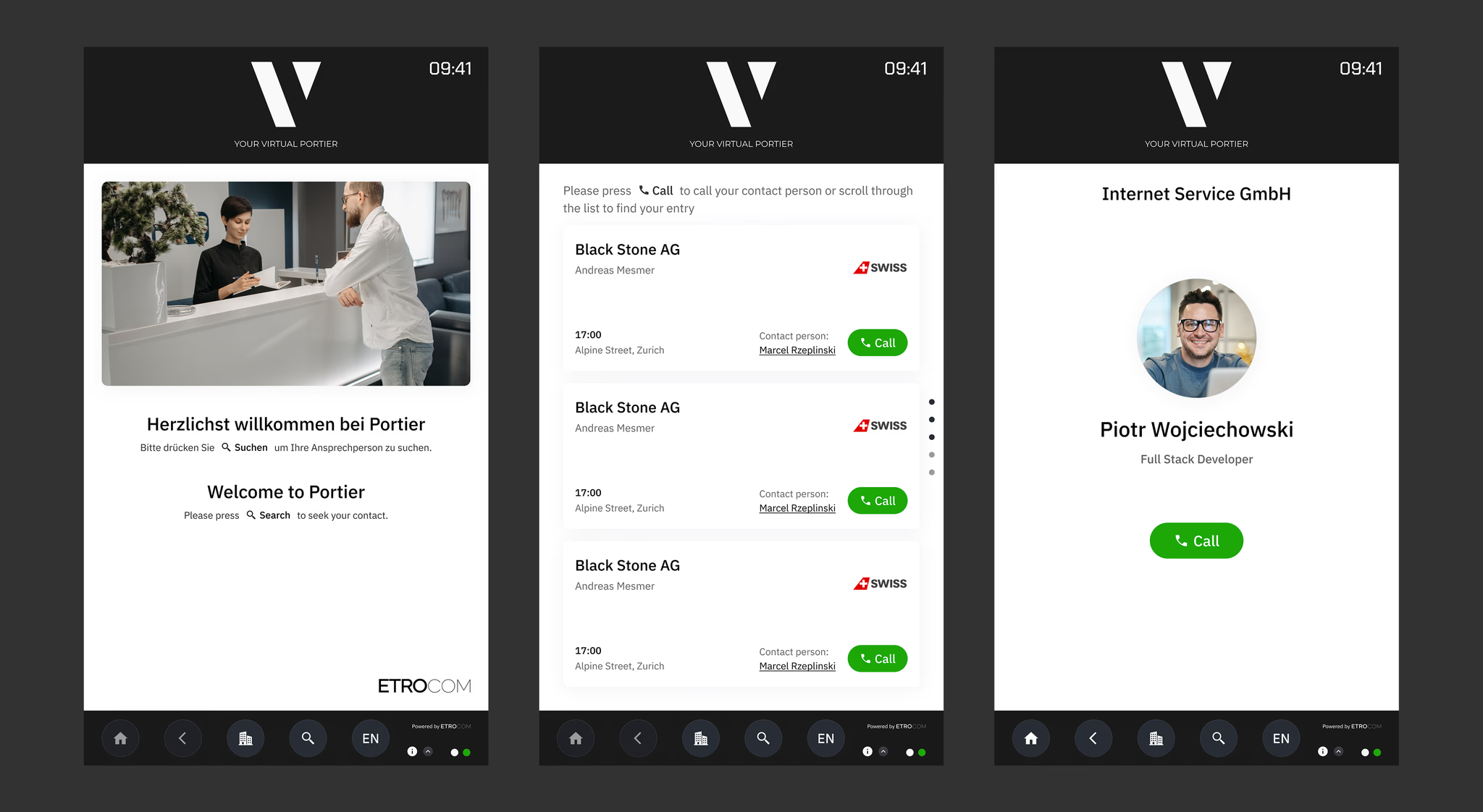
The initial 2021 build established the core architecture: backend, data model, and the administrative panel used to configure clients, sites, screens, and reception scenarios. A native Windows application for touchscreen panels followed, designed to run reliably on kiosk hardware.
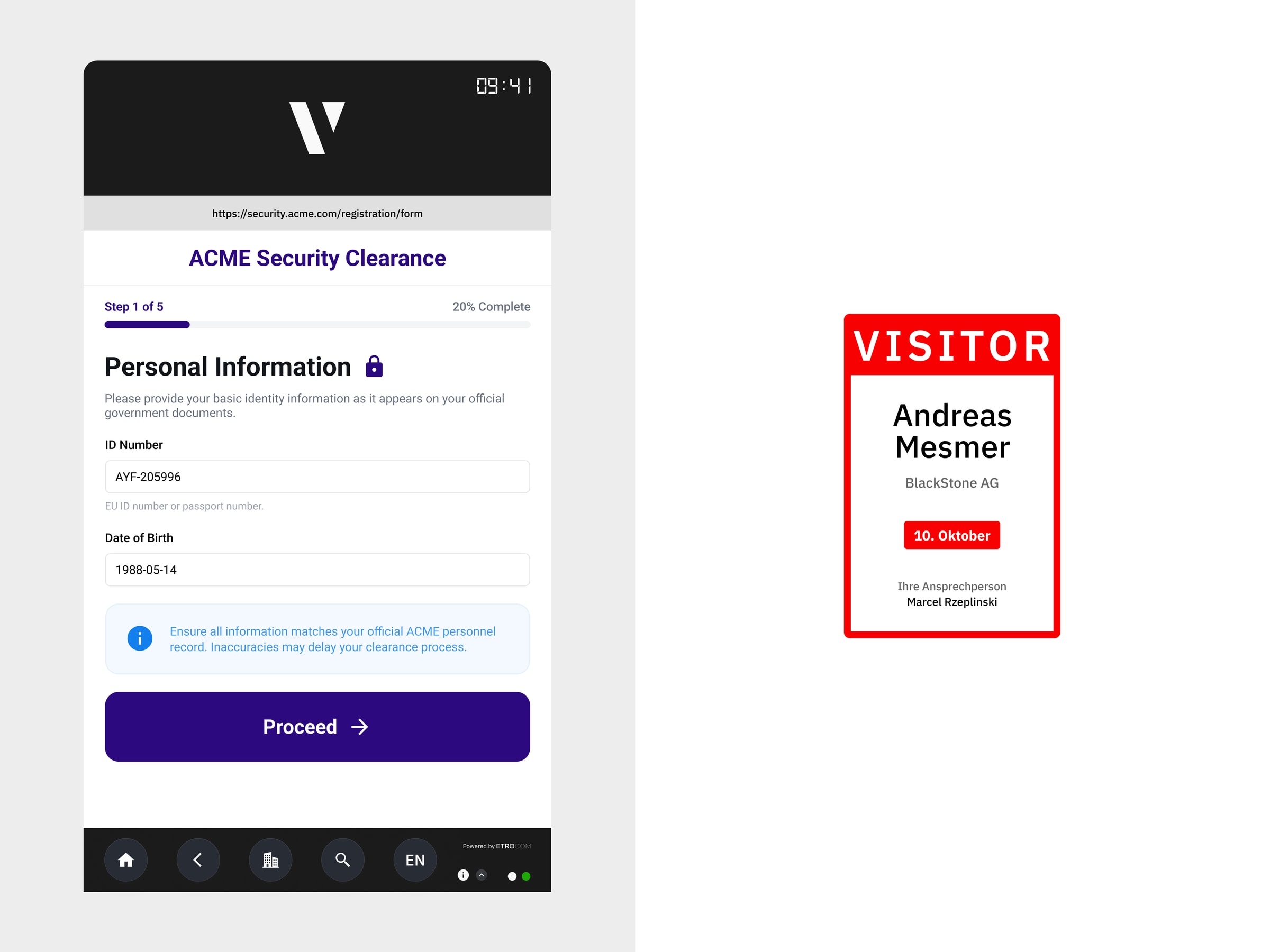
Later phases focused on integration and feature depth. We built a Microsoft Teams integration to handle calls placed through the reception interface, along with SIP-based phone call handling. A guest registration module brought together intake forms, guest data, entry and exit flows, label printing through a connected printer, and integration with a physical door controller, covering multiple reception scenarios while staying simple enough for client-side administrators to manage.
Further integrations connected ViPo to the broader Microsoft ecosystem: Microsoft Entra Contacts and Outlook calendar sync. We also invested in end-to-end test coverage and ongoing work on stability, code quality, and maintainability, alongside mechanisms for offline operation: local data storage with later synchronization, so kiosk devices could keep functioning through network interruptions.
Two areas proved particularly demanding. The guest registration module required coordinating several moving parts, including forms, printer hardware, door hardware, and varied reception workflows, into something that stayed flexible without becoming complicated for end users. The Microsoft Teams call integration meant working within the constraints of an external API and accounting for authorization scenarios and edge cases in connection stability, none of which our team controlled directly.
Hardware integrations added a layer of difficulty distinct from typical web development. Documentation for some connected devices was limited, and getting door controllers and label printers to behave predictably required troubleshooting beyond standard application code.
Beyond engineering, we have also supported Etrocom with marketing-facing work for ViPo, including the product website and industry materials used to position the platform to prospective clients.
More than two years in production, with no critical failure and errors that stay rare and contained.
The platform has run in production for more than two years without a critical failure, major downtime, or a production issue serious enough to threaten the platform as a whole since the team's deeper involvement began. Errors that do occur are rare and contained rather than systemic.
- 10,000+
- Contacts managed on ViPo
- 100%
- Platform uptime during the last 12 months
- 0
- Critical incidents on production since launch
Our clients team has observed the platform operating noticeably more reliably than the solution it replaced, with new modules continuing to be added based on direct user demand, increasing what the platform can competitively offer without requiring a rebuild each time.
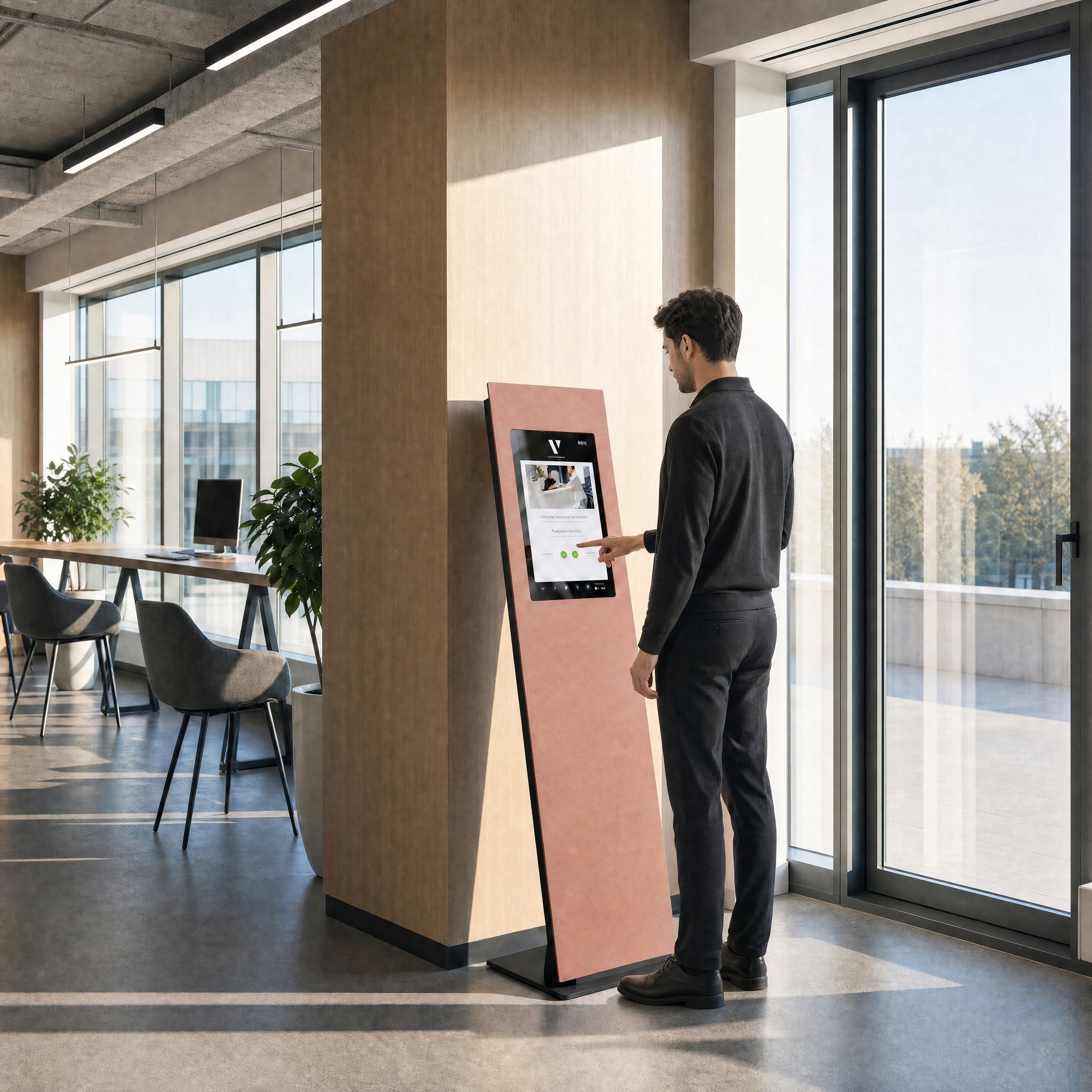
ViPo demonstrates that modernizing a business-critical platform isn't about replacing technology for its own sake. It's about improving reliability, enabling future growth, and delivering new capabilities without disrupting the operations that depend on the system every day. By treating stability and maintainability as long-term investments rather than short-term trade-offs, the platform has continued to evolve while remaining dependable for the organizations that use it. As products mature, new integrations, hardware, workflows, and business requirements emerge. Our role has been to provide a technical foundation that allows those changes to happen incrementally, without compromising reliability or forcing costly rewrites.
We're booking content platform
engagements for 2026.
Twenty-five minutes to walk through the work and decide if we're the right team for it. Scoping and a fixed price come after.